Skip to main content




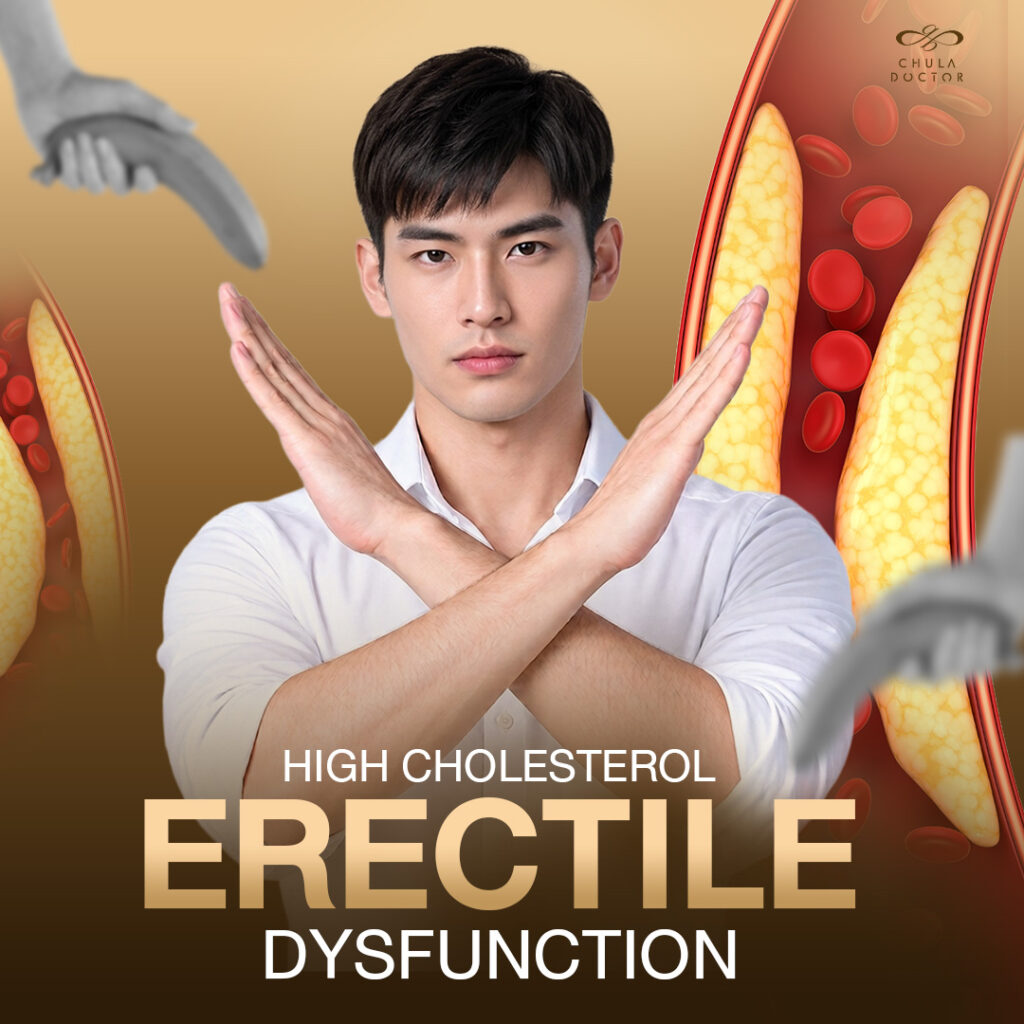
Many men receive a routine blood test result showing high cholesterol without connecting it to their sexual health in any way. It’s only later, when they notice their erections aren’t as firm as before or take longer to happen, that the two issues start to seem related. Medically speaking, high cholesterol and erectile dysfunction are directly linked through the vascular system, a connection that surprises many men when they first learn about it.

What Is High Cholesterol and What Causes It
High cholesterol refers to elevated levels of low-density lipoprotein (LDL), often called “bad” cholesterol, or triglycerides in the bloodstream. It commonly results from a diet high in saturated fat, lack of exercise, being overweight, genetics, or underlying conditions such as diabetes and thyroid disorders. In its early stages, high cholesterol rarely produces noticeable symptoms, which is why many men remain unaware of it until a blood test or a complication brings it to light.
Why Does High Cholesterol Cause Erectile Dysfunction
An erection depends on a rapid increase in blood flow into the erectile chambers of the penis. When sexually stimulated, blood vessels dilate and fill with blood, producing an erection. This process relies on blood vessel walls that are strong and flexible. When cholesterol remains elevated over time, fatty deposits called plaque build up along vessel walls, narrowing and stiffening them. As a result, blood can no longer flow into the penis as freely, leading to erectile dysfunction or erections that don’t last long enough for intercourse.
Why the Blood Vessels in the Penis Are Affected First
The arteries supplying the penis are significantly smaller than those supplying the heart, typically measuring only 1 to 2 millimeters in diameter compared to 3 to 4 millimeters for coronary arteries. Because of this smaller size, penile blood vessels tend to show the effects of cholesterol buildup earlier than the heart’s arteries do. This is why many physicians consider erectile dysfunction an early warning sign of cardiovascular disease in men, often appearing years before chest pain or a diagnosed heart condition.

What Does Cholesterol-Related Erectile Dysfunction Look Like
Common patterns include erections that aren’t as firm as they used to be despite normal sexual desire, erections that take longer to develop, erections that don’t last as long, or a gradual decline in firmness noticed over months or years. This gradual progression tends to track with the buildup of plaque in the arteries. It differs from stress-related or psychological erectile dysfunction, which tends to appear suddenly and fluctuate depending on circumstances.
Who Is Most at Risk
Men over 40 who are overweight or carry excess abdominal fat, smoke, drink alcohol regularly, don’t exercise, eat a diet high in processed and saturated fats, or have underlying conditions such as diabetes or high blood pressure face the greatest risk. A family history of high cholesterol or heart disease adds further risk. The more of these factors that apply, the faster blood vessels tend to deteriorate, and the greater the impact on erectile function over time.
Erectile Dysfunction Treatment When the Cause Is High Cholesterol
Effective erectile dysfunction treatment in these cases starts with bringing cholesterol levels back into a healthy range while addressing sexual function at the same time. A doctor may prescribe statin medication to lower LDL cholesterol and reduce inflammation in blood vessel walls, alongside lifestyle changes. For men whose symptoms don’t improve enough with this approach alone, a physician may consider a PDE5 inhibitor to help improve blood flow to the penis, or low-intensity shockwave therapy, which stimulates the growth of new blood vessels and supports long-term vascular recovery. The right treatment plan should always be determined individually by a specialist.

Lifestyle Changes That Lower Cholesterol and Improve Sexual Function
Lifestyle changes play a role that’s just as important as medication. Reducing saturated and trans fats, adding more vegetables, fruit, and fiber to meals, and getting at least 150 minutes of aerobic exercise per week all help lower cholesterol while directly improving blood flow. Quitting smoking, which severely damages blood vessels, limiting alcohol, getting adequate sleep, and maintaining a healthy weight round out the approach. When followed consistently, these changes often produce noticeable improvements in both cholesterol levels and erectile function within three to six months.
When to See a Doctor
If erectile dysfunction persists for more than three months, or is accompanied by symptoms such as fatigue, chest pain, or numbness in the hands and feet, it’s time to see a doctor for a cholesterol check and a broader cardiovascular evaluation. Erectile dysfunction can be an early warning sign of more serious vascular disease, and catching it early significantly reduces the risk of future heart problems.
Frequently Asked Questions
- Does high cholesterol cause permanent erectile dysfunction?
Not necessarily. When detected and treated early, blood vessels can partially recover their function. However, if left untreated for a long time and the arteries narrow significantly, specialized treatment may become necessary.
- Is lowering cholesterol alone enough as erectile dysfunction treatment?
For some men, symptoms improve once cholesterol is under control, but most cases benefit from combining this with lifestyle changes and, if needed, additional treatment for erectile function, depending on severity.
- What tests confirm that erectile dysfunction is caused by high cholesterol?
Doctors typically order a lipid profile blood test along with a medical history review, and may assess penile blood flow directly to rule out other causes such as hormonal imbalance or stress.
- Can exercise really help with cholesterol-related erectile dysfunction?
Yes. Regular aerobic exercise lowers cholesterol levels and directly improves blood circulation throughout the body, including the blood vessels that supply the penis.
Summary
High cholesterol isn’t just a risk factor for heart disease, it’s also a leading, often overlooked cause of erectile dysfunction. Regular cholesterol screening, combined with lifestyle changes and timely medical consultation, helps protect both vascular health and sexual function at the same time. For men experiencing symptoms, the most effective erectile dysfunction treatment comes from a proper evaluation by a specialist.