Skip to main content




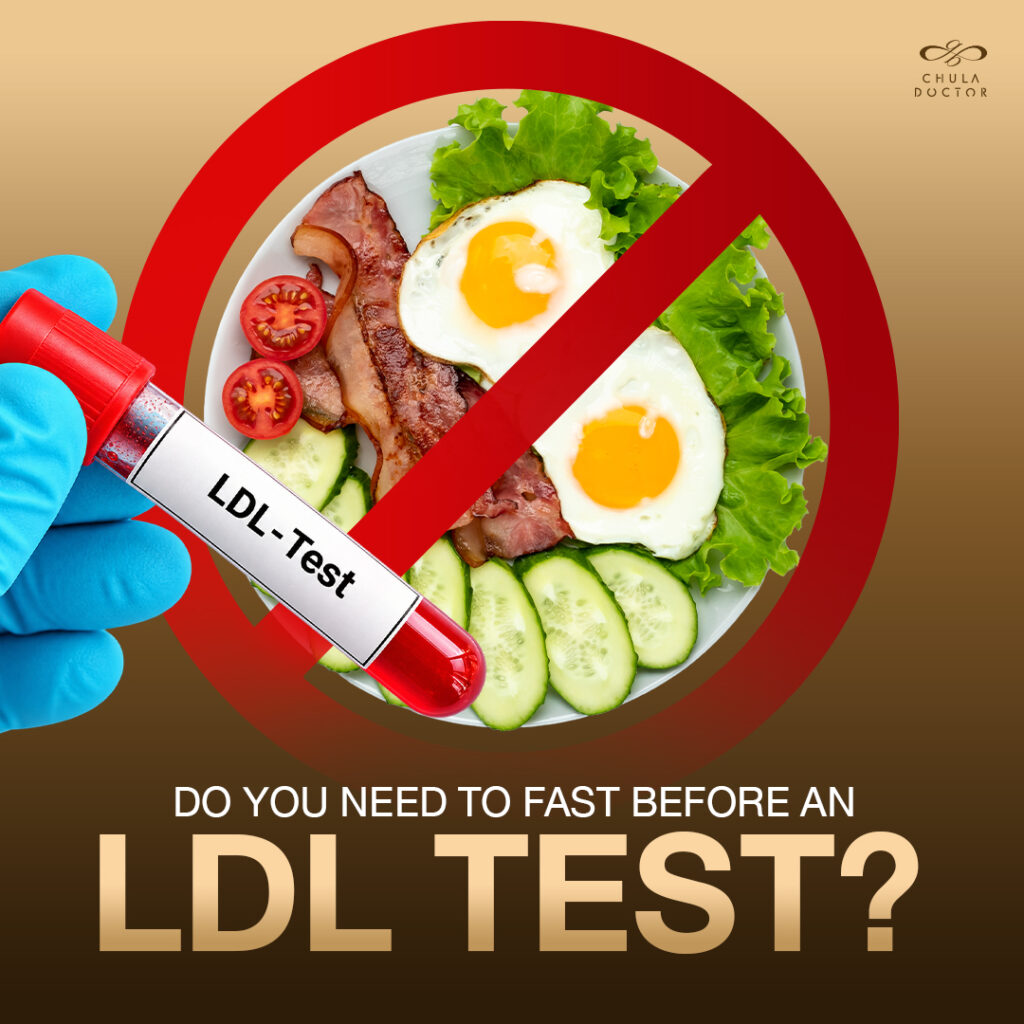
An annual health check-up is an important way to catch problems in the body early, and one of its key components is a blood lipid test, which helps gauge your risk of heart and blood vessel disease. When it comes to assessing that risk, low-density lipoprotein cholesterol, or LDL, is one of the first numbers doctors look at. Often called “bad” cholesterol, LDL can build up along the walls of the arteries and gradually narrow or block them.
The question people ask most often before their appointment is whether an LDL test requires fasting, and what else they should watch out for so the results reflect their true health. This article explains the medical principles behind blood lipid testing and walks you through how to prepare for a cholesterol test properly, so you can walk into the blood draw room with confidence and get results you can rely on.

How Is an LDL Test Done in the Laboratory?
Before answering the fasting question, it helps to understand how blood is analyzed in a medical laboratory. A standard blood lipid assessment, known as a lipid profile, measures four main types of fat:
- Total cholesterol
- HDL (high-density lipoprotein), or “good” cholesterol
- LDL (low-density lipoprotein), or “bad” cholesterol
- Triglycerides
In most healthcare facilities, LDL is not measured directly by the analyzer (direct LDL). Instead, it is calculated using a formula called the Friedewald equation: total cholesterol minus HDL, minus triglycerides divided by five. Because of this calculation, what you eat before your blood draw can change the number that ends up on your report.
Do You Need to Fast Before an LDL Test?
Based on current medical practice, you should fast for at least 10 to 12 hours before an LDL test.
The main reason doctors recommend fasting is not that food directly changes your LDL. It is because food has a strong effect on your triglycerides. After you eat, especially carbohydrates, sugar or fat, triglyceride levels in the bloodstream rise quickly and take several hours to return to normal.
As mentioned above, LDL is usually a calculated value, and triglycerides are a key variable in that calculation. If blood is drawn while triglycerides are elevated from a recent meal, the equation is thrown off and the estimated LDL becomes inaccurate, no longer reflecting your body’s true risk. Fasting is therefore the standard that healthcare facilities use to keep these variables as stable as possible.
Can You Drink Water Before a Cholesterol Blood Test?
Another common source of confusion is drinking. Can you drink water before a cholesterol blood test? The answer is yes, you do not need to avoid plain water.
During the 10 to 12 hour fasting period, you can drink plain water as usual. Doctors actually encourage you to sip water from time to time, because staying hydrated keeps your blood from becoming too thick, which makes it easier for the nurse to find a vein and draw blood.
However, any drink other than plain water is strictly off-limits:
- Avoid all tea and coffee, even black coffee with no sugar or creamer, as caffeine may affect your metabolism.
- Avoid fruit juice, milk, energy drinks and soft drinks, as their sugar can raise triglyceride levels.
- Avoid chewing gum and candy, even if they are labeled sugar-free.

How Should You Prepare for a Cholesterol Test to Get Accurate Results?
For the numbers on your blood report to reflect your real habits and health, preparing in advance matters. Here is how to prepare for a cholesterol test with a few easy steps.
1. Eat normally in the days before your test
Some people worry that their results will look bad, so they switch to clean eating or cut back drastically for two or three days before the test. This is the wrong approach. It produces misleading results that do not match your real day-to-day risk. Eat according to your usual lifestyle, and simply avoid unusually large meals, such as an all-you-can-eat barbecue buffet, or very fatty and sugary food the night before your blood draw.
2. Avoid alcohol for at least 24 to 48 hours
Alcohol directly affects liver function and causes triglyceride levels to rise quickly. Avoid beer, wine and spirits of any kind before your test.
3. Manage your regular medications as your doctor advises
If you take regular medication in the morning, such as blood pressure medicine, ask your doctor in advance whether you can take it with plain water on the morning of the test. Most medications can be taken as usual, but some, particularly diabetes medications, may need to be skipped on the morning you are fasting to prevent low blood sugar.
4. Get enough rest and avoid strenuous exercise
Stress and lack of sleep affect hormone levels in the body, which can skew your blood results. Aim for 7 to 8 hours of sound sleep. You should also avoid intense exercise on the morning of the test, as it can shift fluid levels in the body and affect your lipid readings.
What Hidden Factors Can Skew Your LDL Test Results?
Even if you prepare well, certain conditions can temporarily affect your blood lipid levels. If any of the following apply to you, let your doctor know before the test.
- Acute illness: If you have a high fever or an infection, or have recently had surgery, your body is under stress and may temporarily change how it processes fat. Wait until you have fully recovered, at least 3 to 4 weeks, before getting tested.
- Rapid weight loss: Strict fasting or crash dieting in the recent past can cause blood lipid levels to fluctuate.
- Pregnancy: Blood lipid levels naturally rise during pregnancy to support the baby’s development, so the standard reference ranges are generally not used to assess them during this time.
What LDL Level Is Considered Safe?
After your blood draw, your doctor will interpret the result together with other risk factors such as age, family history and existing health conditions to set your treatment goals. You can compare your result against the general reference ranges below.
| LDL (mg/dL) | Interpretation | Recommendation |
| < 100 | Optimal | Keep up your healthy habits |
| 100 – 129 | Near optimal | Keep an eye on your lifestyle habits |
| 130 – 159 | Borderline high | Adjust your diet and exercise |
| 160 – 189 | High | See a doctor for a risk assessment |
| ≥ 190 | Very high | Seek medical treatment promptly |

Summary
If your results show that your bad cholesterol is above the recommended range, there is no need to panic. Instead, treat it as a signal to start taking your health seriously. A holistic change in lifestyle habits can effectively help bring bad cholesterol down.
Start with your diet. Cut back on saturated fat found in fatty meats, pork belly and coconut milk, and strictly avoid trans fats in baked goods and non-dairy creamer. Focus instead on healthy fats from olive oil, avocado and oily fish, and add more soluble fiber from oats and berries, which helps trap cholesterol in the gut.
Pair this with regular cardio exercise, such as brisk walking, running or cycling, for at least 150 minutes a week. Moving your body consistently not only helps lower LDL but also raises your “good” cholesterol (HDL), which plays an important role in clearing cholesterol from the blood vessels.
Regular annual check-ups are an important safeguard against the silent threat of heart and blood vessel disease. Understanding how to prepare, and following fasting and drinking instructions carefully, helps your doctor diagnose accurately and plan your care. If you have any questions about your medications or health condition before the test, calling the healthcare facility in advance is the safest way to make sure your results are complete and reliable.